When a sudden illness or injury sends you to hospital, you may not know whether you need an emergency department, admission, intensive care, or transfer. You will learn how urgency is judged, what happens from triage through treatment, which warning signs require immediate help, and how families can make informed decisions during critical illness.
Key takeaways
- Critical care supports failing organs with continuous monitoring and specialised treatment.
- Call emergency services for severe breathing trouble, chest pain, stroke signs, or uncontrolled bleeding.
- Triage sets urgency; tests and stabilisation guide admission, intensive care, or discharge.
- Ask about monitoring, specialist access, staffing, equipment, visiting rules, and family updates.
What Critical Care and Emergency Care Actually Mean
What is critical care? It is treatment for actual or threatened failure of one or more vital organs, with continuous monitoring and support such as mechanical ventilation, vasopressors for dangerously low blood pressure, or renal replacement therapy. What is emergency care? It is rapid assessment, testing, stabilisation, and treatment for an urgent illness or injury.
A critical care emergency may begin in the emergency department, but critical care can also follow major surgery or a sudden deterioration on a ward.
| Option | What it means | When it applies |
|---|---|---|
| Routine ward | Regular inpatient care with scheduled observations and treatments | The patient is stable and does not need minute-to-minute monitoring or organ support |
| Emergency department | The hospital service that assesses urgent symptoms, performs tests, and begins treatment | The cause or severity is not yet clear; the patient may go home, stay for observation, or be admitted |
| High-dependency unit | Care between a routine ward and intensive care, with closer monitoring and limited organ support | The patient is too unstable for a ward but does not need full ICU support |
| Intensive care unit (ICU) | The highest level of hospital monitoring and organ support | One or more organs are failing or at serious risk of failure |
| Ventilator support | A machine helps or controls breathing through a mask or breathing tube | Lung failure or severe weakness prevents safe breathing |
| Surgery | An operation used to repair, remove, drain, or control a problem | The diagnosis requires a procedure; surgery and ICU care can occur together |
Not every emergency requires ICU admission. Emergency care may end with discharge, observation, or a routine ward admission, and repeated examinations or tests can uncover deterioration that an early normal result missed.
When to Seek Emergency Help and What Happens First
Call your local emergency number for symptoms that threaten breathing, circulation, brain function, or safety. Do not wait for severe pain; heart attacks can cause chest pressure, breathlessness, sweating, nausea, or pain in the arm, back, neck, or jaw, with less obvious symptoms in older adults, women, and people with diabetes.
Seek immediate emergency evaluation for:
- Sudden facial drooping, arm weakness, speech trouble, vision loss, loss of balance, or a severe unexplained headache—even if the symptoms stop.
- Severe breathing difficulty, blue lips, choking, or unresponsiveness.
- Heavy bleeding, a major injury, seizure, suspected poisoning, or sudden confusion.
- High fever with collapse, severe weakness, or rapidly worsening infection symptoms.
- Severe abdominal pain, or pregnancy-related pain, bleeding, fainting, or seizures.
Before help arrives, call emergency services, follow the dispatcher’s instructions, and record when symptoms began or when the person was last known well. Do not drive an unconscious or seriously breathless person yourself.
Keep the person still, place an unconscious but breathing person on their side, and start CPR if they are unresponsive and not breathing normally.
This is emergency care explained in practical terms: triage identifies the greatest immediate threat first. A later arrival can be treated before you if their airway, breathing, circulation, brain function, or organ function is at greater risk.
| Finding at triage | Priority | First response |
|---|---|---|
| Unresponsive or not breathing normally | Immediate | Resuscitation |
| Stroke or severe chest symptoms | Very urgent | Rapid assessment |
| Stable pain or minor injury | Lower | Waiting-room assessment |
From Triage to Tests, Stabilisation, Admission, or Discharge
Your first emergency visit starts with triage, not necessarily with the person who arrived first. Staff check urgency using airway, breathing, circulation, disability, and exposure, then record temperature, pulse, blood pressure, breathing rate, oxygen level, and blood glucose.
1. A clinician examines you and asks when symptoms began, what medicines you take, and whether you have allergies or existing conditions.
2. Tests may include an electrocardiogram for chest symptoms, blood counts, electrolytes, kidney function, troponin, infection markers, urine testing, pregnancy testing, X-ray, ultrasound, or CT. A normal early result does not always end the assessment, so staff may repeat observations, ECGs, or blood tests.
3. Treatment can begin before the diagnosis is complete. Oxygen, intravenous fluids, glucose, antibiotics, pain relief, medicines for seizures, or airway support may correct an immediate threat.
| Outcome | What it means | When it applies |
|---|---|---|
| Observation | Monitoring without full admission | Symptoms need repeat examination or tests, but the patient is stable |
| Routine admission | Care on a general ward | Ongoing treatment is needed without intensive organ support |
| ICU care | Continuous monitoring and organ support | Breathing, circulation, consciousness, or several organs are failing |
| Surgery | An operation or procedure | Bleeding, obstruction, perforation, or injury needs source control |
| Discharge | Home with instructions and follow-up | Serious causes have been assessed and safe monitoring is possible |
| Transfer | Movement to another facility | Required surgery, specialist care, equipment, or ICU capacity is unavailable |
A discharge plan should state warning signs, medicines, follow-up, and where to return. Ask staff to explain any change in plan.
What Patients and Families Experience in Critical Care
Expect continuous monitoring, unfamiliar equipment, urgent treatments, restricted visiting, and a recovery plan that continues after discharge. ICU admission means the patient needs closer observation or organ support than a routine ward can safely provide; it does not automatically mean a ventilator or unconsciousness.
You may see:
- ECG stickers and cables tracking heart rhythm, a finger sensor measuring oxygen, and an inflatable cuff checking blood pressure at set intervals.
- Intravenous lines for fluids, antibiotics, pain relief, or medicines that raise dangerously low blood pressure.
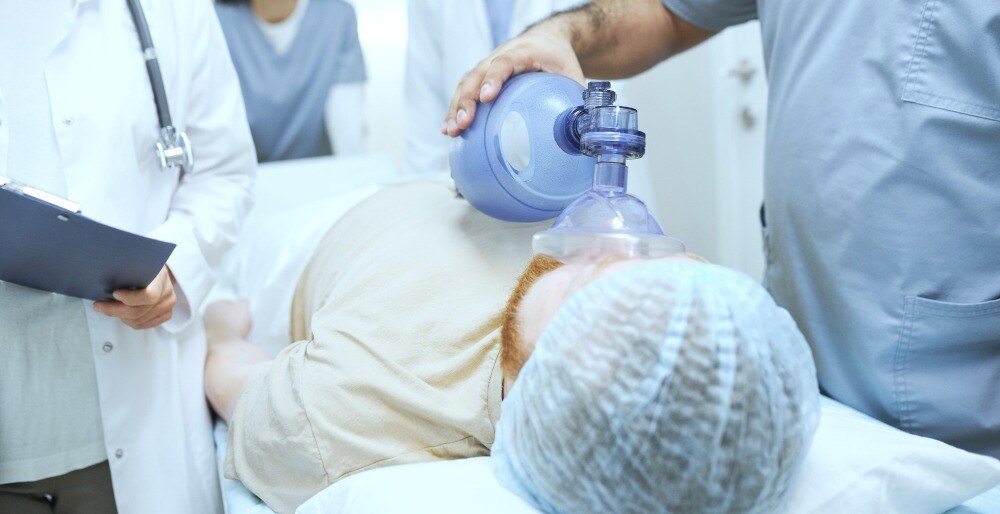
- An oxygen mask, high-flow oxygen, or a breathing tube connected to a ventilator if the lungs cannot maintain safe oxygen or carbon-dioxide levels.
- A urinary catheter, feeding tube, or arterial line for urine measurement, nutrition, or continuous blood-pressure readings.
Treatment can change quickly as repeated examinations, blood tests, X-rays, or scans reveal the response. Risks include infection and delirium; immobility also causes weakness, so staff assess skin, nutrition, movement, and blood-clot prevention.
Communication works best when one family spokesperson shares the medication and allergy list, writes down the consultant’s name and diagnosis, and asks what changed, what happens next, and what decision would trigger transfer or escalation. Follow hand hygiene, masking, visiting hours, and device restrictions; never adjust a line or give food without permission.
Recovery may require physiotherapy, speech or swallowing assessment, nutritional support, sleep restoration, and help with memory or anxiety. Ask for warning signs and a written follow-up plan before discharge.
How to Judge a Critical Care Hospital and Plan the Practical Details
Do not choose a critical care hospital by the word “ICU” alone. Compare the staff, monitoring, organ-support equipment, diagnostics, and specialist access available on site, then ask whether the patient’s needs match that capacity.
| Hospital option | Ask for | Trade-off |
|---|---|---|
| Local hospital with ICU | 24-hour intensivist cover, ventilators, blood-gas testing, imaging, surgery, and dialysis access | Faster arrival, but complex cases may still need transfer |
| Referral centre | Which specialists, procedures, and organ-support services operate on site | Greater capability, but travel can delay treatment |
| Hospital without required support | The transfer plan and receiving hospital before transport | Avoids an unsuitable admission, but transfer carries risk |
Ask for a written estimate that separates ICU bed charges, doctor visits, nursing, ventilator use, medicines, laboratory tests, imaging, procedures, blood products, and consumables. Confirm insurance pre-authorisation, exclusions, deposit requirements, and who will explain changes in cost.
Before admission, confirm whether the hospital has 24-hour laboratory testing, CT and X-ray access, blood storage, operating-room access, dialysis, cardiology, and ambulance transfer capability. Deepsiya Hospital can be included in that comparison by asking which of these services are available on site and which require referral.
A transfer is appropriate when the patient needs equipment, surgery, or a specialist the current hospital cannot provide safely. Ask for the exact reason, the accepting doctor’s name, the patient’s condition during transport, the escorting team, destination, records, test results, and medicines sent with the patient.
Related service
Critical Care & Emergency Deepsiya Hospital is a trusted name for Critical Care & Emergency services on Agra Road, Jaipur, providing fast, reliable, and life-saving medical... View service → |
Frequently asked questions
What is critical care?
Critical care treats actual or threatened failure of vital organs through continuous monitoring and support such as mechanical ventilation, vasopressors, or renal replacement therapy.
What is emergency care?
Emergency care provides rapid assessment, testing, stabilisation, and treatment for urgent illness or injury.
What happens first in emergency care?
A triage clinician checks the seriousness of your condition, identifies immediate threats, starts urgent treatment, and orders tests based on your symptoms and vital signs.
How do doctors decide between discharge, admission, and critical care?
The decision depends on your response to treatment, test results, ongoing monitoring needs, organ function, and the risk of deterioration after leaving.
Keywords