Choosing the right medical department is easier when you know which organs urology covers, what a first appointment involves, and which tests might follow. By the end, you will know what to bring, how to prepare, and when a routine consultation is the wrong level of care.
Key takeaways
- Urologists treat urinary conditions in women, men, and children.
- Bring your medication list, symptom timeline, and previous scan or test reports.
- Expect questions, an examination, and targeted tests rather than every test at once.
- Seek urgent care for inability to urinate, severe flank pain, or heavy blood in urine.
What is urology, and which specialist handles your problem?
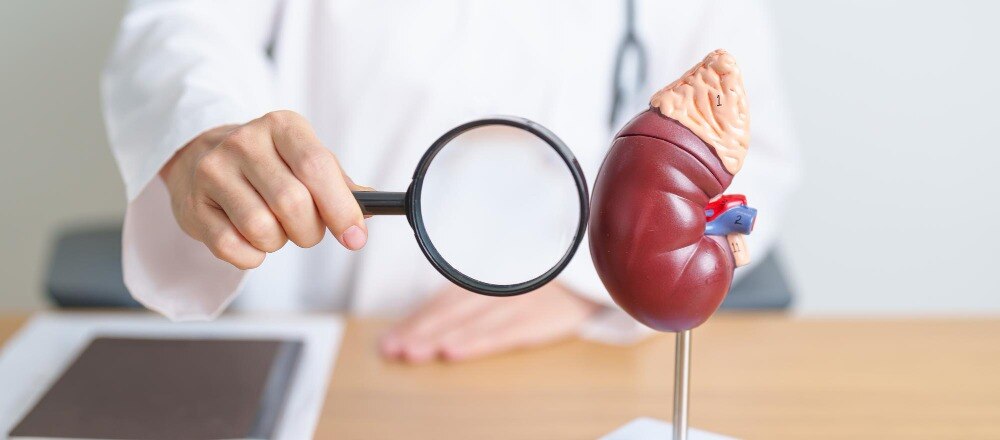
Urology is the medical and surgical specialty for the urinary tract in all sexes: kidneys, ureters, bladder and urethra. It also covers the male reproductive organs, including the prostate, testes and penis. A urologist is a urinary health specialist, so urology is not limited to men or prostate disease.
| Specialist | Main focus | Examples of problems |
|---|---|---|
| Urologist | Urinary and male reproductive systems | Stones, blood in urine, repeated infections, difficulty urinating, prostate symptoms, erectile problems, infertility and urinary leakage |
| Nephrologist | Kidney function and medical kidney disease | Reduced kidney function, protein in urine, difficult-to-control blood pressure and electrolyte disorders |
| General physician | First assessment of common or unclear illness | Initial evaluation of uncomplicated urinary symptoms, medicines, diabetes or several conditions together |
| Gynecologist | Female reproductive and pelvic health | Vaginal symptoms, pelvic pain, pregnancy-related concerns and leakage linked to pelvic-floor or gynecological problems |
| Emergency clinician | Immediate threats requiring rapid treatment | Severe obstruction, infection with sepsis, major bleeding, acute urinary retention, serious trauma or sudden testicular pain |
Choose emergency care for urinary symptoms with fever, chills, flank pain, vomiting or severe weakness, because an infected blockage can require urgent drainage and antibiotics. Sudden severe testicular pain needs immediate surgical assessment for possible torsion; do not wait for a routine appointment.
What happens during a urology consultation?
A urology consultation starts with questions about what you feel, when it began, and whether it is changing. Describe pain location, urine colour, burning, urgency, leakage, weak flow, nighttime urination, fever, blood in the urine, and any effect on sexual function.
The clinician will review every prescription, over-the-counter medicine, vitamin, and supplement because some affect urination or kidney function. Blood pressure is usually measured as part of the assessment.
The clinician will examine you when the symptoms call for it. This can include the abdomen, back, genital area, or prostate, with your explanation and consent before each step. Previous records are reviewed to avoid repeating useful work and to identify changes over time.
The discussion may lead to urine or blood testing, imaging, or a bladder-emptying assessment; there is no fixed test package for every patient.
Bring these items to make the appointment more productive:
- A current medication and supplement list, including doses and allergies
- Previous scan reports, urine test results, blood reports, and discharge summaries
- Details of urinary, prostate, kidney, or genital procedures and surgeries
- A record of symptom timing, fluid intake, voiding frequency, leakage, pain, fever, and visible blood
- A bladder diary for two to three days if frequency, urgency, or incontinence is the main problem
If you cannot obtain a report, tell the clinician where and when the test or procedure occurred.
Which urology tests might be ordered, and how should you prepare?
A urology consultation does not require every test. Your symptoms, examination and earlier results determine whether the question concerns infection, obstruction, kidney function, stones, cancer or bladder emptying.
| Test | What it is designed to answer | Preparation |
|---|---|---|
| Urinalysis | Is there blood, protein, inflammation or other abnormality? | Clean-catch midstream sample |
| Urine culture | Which organism is causing infection, and which antibiotics may work? | Collect before antibiotics when possible |
| Serum creatinine | Are the kidneys filtering blood adequately? | Fasting is not usually needed |
| PSA | Is prostate-related cancer risk or enlargement worth investigating? | Follow instructions about ejaculation or cycling beforehand |
| Ultrasound | Are there stones, swelling, masses or retained urine? | Some scans require a full bladder; follow the appointment instructions |
| CT | Are stones, bleeding or detailed structural problems present? | Contrast scans may require kidney-function results and fasting |
| MRI | Are soft-tissue, prostate or pelvic abnormalities present? | Report metal implants; contrast instructions vary |
| Uroflowmetry | Is urine flow weak, slow or obstructed? | Arrive with a comfortably full bladder |
| Post-void residual | How much urine remains after you urinate? | Usually paired with uroflowmetry or ultrasound |
| Cystoscopy | Are the urethra and bladder lining abnormal? | Follow instructions for urine testing, anaesthesia and medicines |
For urine testing:
- Wash your hands, clean the genital area, start urinating into the toilet, then collect the middle portion without touching the container.
- Ask whether to stop biotin or other supplements before blood tests.
- Do not force excessive water before uroflowmetry; an overfilled bladder can distort the result.
Should you book urology, another department, or urgent care?
Recurrent urinary infections, visible blood in urine, stones, erectile problems, infertility, leakage, and persistent difficulty urinating usually justify a urology appointment. A urinary health specialist can investigate whether symptoms come from infection, obstruction, prostate disease, bladder dysfunction, or another cause.
| Route | Best fit | When to choose it |
|---|---|---|
| Urology | Recurrent or complicated infections; unexplained blood in urine; stones; erectile problems; male infertility; ongoing leakage; difficult urination | Book an outpatient consultation for assessment and targeted tests |
| General physician | A first, uncomplicated urinary infection or symptoms linked to a new medicine or general illness | Start here when you have no red flags; recurrent symptoms may need urology |
| Nephrology | Reduced kidney function, protein in urine, difficult-to-control blood pressure, or suspected kidney inflammation | Choose this route when the concern is kidney performance rather than the urinary passage |
| Paediatrician or paediatric urology | Bed-wetting with other symptoms, repeated infections, abnormal urine flow, or urinary problems in a child | Arrange age-appropriate evaluation; seek urgent care if the child is very unwell |
| Emergency care | Sudden severe testicular pain, inability to pass urine, fever with flank pain or confusion, major bleeding, severe trauma, or uncontrolled stone pain | Go immediately; torsion can cut off testicular blood supply, and retention may damage the bladder or kidneys |
Do not dismiss visible blood as exercise, menstruation, ageing, or “just another infection.” It needs medical evaluation when persistent or unexplained. A consultation does not commit you to a scan, medicine, procedure, or surgery; it gives you a clinical assessment and a discussion of sensible next steps.
What does coordinated urology hospital care look like?
Coordinated urology hospital care connects a consultation with the level of treatment you actually need. Many appointments remain outpatient: the urologist may recommend observation, fluid or lifestyle changes, medicines, catheter care, pelvic-floor treatment, or a follow-up test rather than an operation.
The wider team becomes important when results are unclear, symptoms are severe, or treatment involves more than one organ system:
- Emergency clinicians assess sudden retention, severe bleeding, trauma, torsion, or urinary symptoms with fever, chills, flank pain, vomiting, or marked illness.
- Radiologists interpret ultrasound, CT, and MRI findings that guide decisions about stones, obstruction, masses, or injury.
- Pathologists examine urine, blood, and biopsy samples; a biopsy result can determine whether oncology input is needed.
- Nephrologists help when reduced kidney function, difficult blood-pressure control, or kidney disease affects the plan.
- Nurses provide catheter care, medication teaching, wound support, and monitoring before and after procedures.
- Oncologists coordinate cancer treatment when testing identifies a urinary or reproductive-system cancer.
- Continence specialists address leakage, urgency, incomplete emptying, bladder training, and pelvic-floor rehabilitation.
A urologist can arrange endoscopic treatment, shock-wave or laser stone treatment, biopsy, or laparoscopic surgery when necessary, but consultation does not commit you to surgery. Deepsiya Hospital can fit this pathway when you need local access to urology alongside emergency, diagnostic, surgical, or other specialist assessment in Jaipur.
Related service
Urology Urology At Deepsiya Hospital, the leading urology hospital on Agra Road, Jaipur. |
Frequently asked questions
What is urology, and who does a urologist treat?
Urology covers the kidneys, ureters, bladder, and urethra in all sexes. It also covers the prostate, testes, penis, and other male reproductive organs. A urologist treats adults and, where available, children with urinary or male reproductive problems.
What happens during a urology consultation?
The urologist reviews your symptoms, medical history, medicines, fluid intake, and previous reports. They may examine your abdomen, back, genitals, or prostate when relevant, then explain possible causes and recommend targeted tests or treatment.
How should I prepare for a urology consultation?
Bring a list of medicines and allergies, previous urine tests or scans, details of earlier surgery, and a record of when symptoms started. Ask whether you need a full bladder for an ultrasound or urine sample; preparation depends on the test ordered.
When should I choose urgent care instead of booking routine urology?
Use urgent care for inability to urinate, severe or worsening flank pain, fever with urinary symptoms, heavy blood in the urine, repeated vomiting, or sudden severe testicular pain. Book routine urology for persistent symptoms without these emergency warning signs.
Keywords