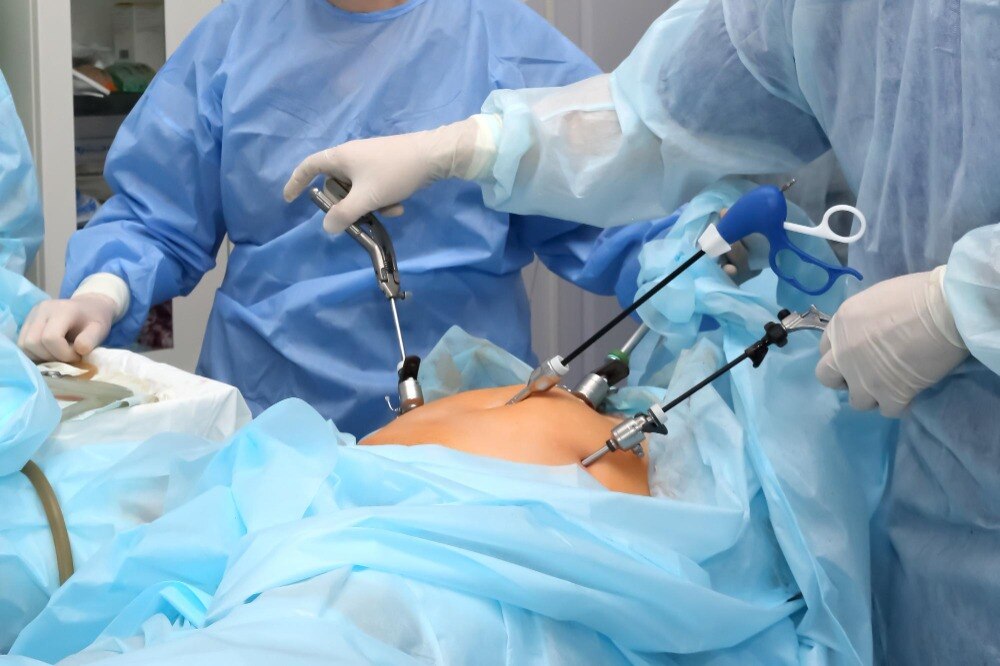
Laparoscopic surgery is not suitable by diagnosis alone: the operation, your medical stability, anaesthesia risk, and the surgeon’s ability to work safely through small ports all matter. By the end, you will know which patients and conditions are commonly considered, which laparoscopic surgery requirements shape the decision, and when open surgery or emergency stabilisation is safer.
Key takeaways
- Suitability depends on the specific operation, not a general label.
- You must tolerate general anaesthesia and carbon-dioxide pneumoperitoneum.
- Previous surgery, obesity, pregnancy, and medical conditions can change the approach.
- Compare recovery, risks, visibility, and conversion plans—not incision size alone.
What Makes Someone a Candidate for Laparoscopic General Surgery?
Laparoscopic general surgery suitability is decided for a specific operation, not assigned as a blanket label. Adults and children can be considered when a disease needs surgery, the patient can tolerate general anaesthesia and carbon-dioxide pneumoperitoneum, and the surgeon expects to treat the problem safely through laparoscopic ports.
| Decision | What it means | What supports it |
|---|---|---|
| General surgery suitability | Fit for an operation of any approach | Treatable surgical condition, stable vital signs, acceptable heart and lung function |
| Laparoscopic suitability | Fit for the minimally invasive route | Imaging defines the anatomy and ports can reach the target safely |
| Urgent suitability | Ready for a safe decision after emergency care | Examination and stabilisation come before choosing laparoscopy |
A person may be suitable for laparoscopic hernia repair but not for another abdominal operation. Planned patients need a confirmed diagnosis, physical assessment and risk review; ultrasound, computed tomography, blood tests or an anaesthesia assessment may be selected for the proposed procedure.
Urgent symptoms require examination and stabilisation before anyone chooses laparoscopy. Shock, uncontrolled bleeding, widespread infection, unstable vital signs, or inability to tolerate anaesthesia or pneumoperitoneum can make open surgery safer. Stable vital signs and useful imaging support consideration, but age or diagnosis alone cannot confirm suitability.
Which Conditions Are Commonly Assessed for Laparoscopy?
Laparoscopy is commonly assessed for several conditions, but no diagnosis guarantees that the operation will be completed through keyhole ports. The surgeon matches the disease, anatomy and anaesthesia risk to the safest approach.
| Condition | What is assessed | What can change the plan |
|---|---|---|
| Gallbladder removal | Symptomatic gallstones or repeated inflammation, using symptoms, examination and usually an ultrasound scan. | Severe inflammation, scarring or unclear anatomy can require open surgery or conversion. |
| Hernia repair | The hernia’s location, size, contents, recurrence, obstruction and your ability to tolerate anaesthesia. | Trapped bowel, strangulation, large defects or high anaesthesia risk can alter the technique. |
| Appendectomy | Examination, blood tests and imaging when needed; the surgeon decides whether laparoscopy is appropriate. | Suspected perforation, widespread infection or an abscess can require drainage, a different operation or open surgery. |
| Diagnostic laparoscopy | Used when scans do not answer an important abdominal or pelvic question and direct inspection or biopsy is needed. | Unexpected disease, bleeding or unsafe anatomy can end the examination or change the procedure. |
| Selected bowel operations | Disease location, obstruction, perforation, cancer extent, previous surgery and whether the bowel can be safely joined or needs diversion. | Extensive disease, adhesions or unstable health can make open surgery safer. |
Urgency, infection, bleeding and unexpected findings can change the plan during surgery. Conversion to open surgery is a recognised safety decision, not proof that laparoscopy was unsuitable or that the operation failed.
What Happens During a Laparoscopic Surgery Consultation?
A laparoscopic surgery consultation begins by matching the proposed operation with your health, rather than applying one standard checklist. The surgeon asks about symptoms, previous abdominal operations, anaesthesia problems, heart or lung disease, kidney or liver disease, bleeding or clotting disorders, allergies, and possible pregnancy.
Bring every medicine list, including prescriptions, over-the-counter medicines, vitamins and supplements. Do not stop warfarin, apixaban, aspirin, clopidogrel, insulin or any regular medicine until the surgical team gives you an explicit perioperative plan.
The examination may cover your abdomen and hernia sites, vital signs, heart, lungs, weight and airway. Laparoscopic surgery requirements vary by procedure and risk. Tests can include a complete blood count, kidney function, electrolytes, liver tests, clotting tests, blood group and crossmatch, pregnancy testing when relevant, ultrasound or CT, electrocardiography and an anaesthesia assessment.
A low-risk patient does not need every test routinely.
Ask these questions before agreeing:
- What problem is the operation intended to treat, and what are the alternatives, including observation or open surgery?
- What is your expected chance of conversion to open surgery, and why might conversion be safer?
- How long will I stay in hospital, and what lifting, driving, work or diet restrictions apply?
- How will complications be managed?
- Which symptoms after discharge—such as worsening pain, repeated vomiting, high fever, fainting or breathing difficulty—require urgent help?
Which Health Factors Can Change the Surgical Approach?
General surgery suitability is not decided by a risk factor alone. Obesity can make abdominal access, positioning, ventilation during carbon-dioxide pneumoperitoneum, instrument reach, wound care and blood-clot prevention more demanding, but weight, fat distribution, cardiopulmonary fitness and the operation all matter.
| Risk factor | What can change | Possible response |
|---|---|---|
| Obesity | Access, positioning, ventilation, reach, wound care and clot prevention become harder | Anaesthesia planning, positioning adjustments and clot-prevention measures |
| Pregnancy | Gestational age, fetal considerations and urgency affect the balance | Coordinate the surgeon, anaesthetist and obstetric team; medically necessary surgery is not automatically prohibited, while nonessential elective surgery is generally deferred |
| Older age or diabetes | Recovery, infection, heart and anaesthesia risks may increase | Optimise glucose and other conditions; arrange specialist review when needed |
| Heart, lung, kidney or liver disease | Anaesthesia or pneumoperitoneum may be harder to tolerate | Test and optimise organ function before elective surgery |
| Blood-thinning treatment | Bleeding risk and interruption of treatment require a specific plan | Coordinate medication changes with the prescribing and surgical teams |
| Previous abdominal surgery | Adhesions can make entry and dissection difficult | Use another entry technique, add ports, or convert to open surgery |
Shock, unstable vital signs, uncontrolled bleeding, widespread infection, dense scar tissue, advanced cancer, unsafe anatomy or inability to tolerate general anaesthesia or pneumoperitoneum can make stabilisation or open surgery safer. Conversion means deliberately changing from laparoscopic to open surgery to protect you; it is a recognised safety decision, not automatically a complication or failed operation.
How Should You Compare Laparoscopic and Open Surgery?
The same operation can produce different trade-offs through laparoscopic and open routes. Laparoscopy usually uses smaller incisions and brings less pain and quicker recovery, but the safest choice depends on anatomy, urgency, surgical expertise and your medical condition.
| Option | Laparoscopic approach | Open approach |
|---|---|---|
| Incision size | Several small port incisions | One larger incision |
| Pain | Usually less after surgery | Usually more initially |
| Hospital stay | Often shorter | Often longer |
| Recovery | Often faster return to routine activity | Usually slower |
| Operating time | May be shorter or longer, depending on complexity | May offer quicker access in difficult cases |
| Wound complications | Smaller wounds can reduce infection and hernia risk | Larger wound has greater wound-care demands |
| Blood-clot risk | Reduced mobility still creates risk | Longer recovery can increase immobility |
| Conversion risk | May require open surgery for bleeding, adhesions or unsafe anatomy | No conversion is needed |
Both routes carry bleeding, infection, anaesthetic complications and possible injury to the bowel, bladder, blood vessels or other organs. Ask the surgeon about alternatives, expected conversion risk, hospital stay and restrictions. Conversion is a safety decision, not automatically a failed operation.
Do not make an online suitability decision if you have:
- Severe or worsening abdominal pain
- A rigid or swollen abdomen
- Repeated vomiting
- Fainting
- Black stools or blood in vomit
- High fever with confusion or marked deterioration
In an emergency, ask whether the hospital has 24-hour imaging, anaesthesia support, blood availability and open-surgery capability. Someone searching for the best hospital in agra road laparoscopic general surgery can use these criteria when considering Deepsiya Hospital, but the surgeon must choose the route after examination and stabilisation.
Related service
Laparoscopic & General Surgery Laparoscopic & General Surgery Deepsiya Hospital is a trusted and well-known Laparoscopic & General Surgery hospital on Agra Road, Jaipur, offering advanced surgical care with a... View service → |
Frequently asked questions
What makes someone a candidate for laparoscopic general surgery?
A candidate needs a condition that requires surgery, must be able to tolerate general anaesthesia and carbon-dioxide pneumoperitoneum, and must have an operation the surgeon can perform safely through laparoscopic ports.
Which conditions are commonly assessed for laparoscopy?
Surgeons commonly assess conditions such as gallbladder disease, appendicitis, groin hernia, abdominal wall hernia, reflux disease, and selected bowel or abdominal conditions. The operation, urgency, anatomy, and medical history determine suitability.
What happens during a laparoscopic surgery consultation?
The consultation reviews your diagnosis, symptoms, previous operations, medicines, allergies, medical conditions, examination findings, and test results. The surgeon explains the planned procedure, anaesthesia, expected recovery, risks, and circumstances that could require conversion to open surgery.
Which health factors can change the surgical approach?
Previous abdominal surgery, extensive scar tissue, pregnancy, severe heart or lung disease, bleeding disorders, uncontrolled infection, obesity, and complex anatomy can affect the choice between laparoscopic and open surgery.
How should you compare laparoscopic and open surgery?
Compare the expected safety, ability to complete the operation, pain control, recovery time, wound complications, anaesthesia risks, and chance of conversion. The smallest incision is not the only measure of a suitable approach.
Keywords